
Reading guide
Practical Resources for Category Managers
By the FMCG by Alex editorial team. Published November 7, 2026; updated November 7, 2026.
A category manager sits between what shoppers do, what a retailer needs and what a supplier can offer. The work involves reading sales and shopper data, proposing assortment and space, planning promotions and showing that the plan pays back. The books here cover the four areas that support that work: shopper behaviour, retail analytics, merchandising and retail management.
Retail textbooks are included on purpose. A supplier who understands how a retailer thinks about margin, space and assortment is easier to work with and more persuasive. Behavioural-science titles are included because shelf layout and promotion mechanics are really choice-architecture problems. Several books come from fashion or department-store retail, which we flag where relevant.
Pick 1
Why We Buy
Paco Underhill
A shopper-observation classic on how people move through and respond to stores. It sharpens how you brief display and layout, although many examples come from non-grocery retail and pre-date online shopping.
Pick 2
Shopper Marketing
Markus Stahlberg, Ville Maila
Focuses on influencing purchase decisions at the point of sale. A direct fit for trade marketers building shopper-marketing programmes with retailers.
Pick 3
The New Science of Retailing
Marshall Fisher, Ananth Raman
Shows how analytics informs assortment, inventory and supply decisions in retail. It helps a category manager speak the retailer's language on forecasting and availability.
Pick 4
Retail Analytics
Emmett Cox
A practical introduction to retail analytics and how retailers use data. It is useful for understanding the numbers a buyer will bring to a category review.
Pick 5
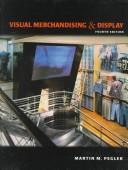
Visual Merchandising and Display
Martin M. Pegler
A reference on display and visual merchandising. The craft examples lean towards fashion and department stores, so apply them with judgement in grocery and minimarkets.
Pick 6
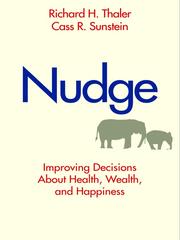
Nudge
Richard H. Thaler, Cass R. Sunstein
Introduces choice architecture, the idea that how options are presented shapes decisions. It is a helpful lens for shelf layout, default pack sizes and promotion mechanics.
Pick 7
Retailing Management
Michael Levy, Dhruv Grewal
A broad textbook on how retailers manage merchandise, pricing and operations. Read it to understand the retailer's side of every category conversation.
Pick 8
Sales Promotion
Julian Cummins, Roddy Mullin
Covers how to plan and run sales-promotion campaigns. The edition we verified is older, so treat it as a guide to mechanics and check recent practice for digital channels.
Pick 9
Demand-Driven Forecasting
Charles W. Chase
A structured approach to forecasting that links commercial plans with the supply plan. Valuable when a promotion calendar has to be translated into volume the supply chain can deliver.




How these picks were chosen
We started from the tasks in a typical category-planning cycle: understanding the shopper, reading retailer data, designing assortment and space, planning promotions and checking availability. We then selected books that help with each task and kept only those with a clear link to FMCG decisions. We have not tested these methods in your market; the picks are editorial recommendations.
Common questions
Is there a single best book on category management?
Few dedicated titles are in print. This guide combines retail, shopper-behaviour and analytics books that together cover the skills a category manager uses.
Which book helps most with promotion effectiveness?
The sales-promotion title explains mechanics, and the analytics and forecasting titles help with measurement. Your own baseline data is what shows whether a promotion paid back.
Are the retail books useful outside Western supermarkets?
The principles on assortment, space and shopper behaviour travel. Specific store layouts and consumer norms often do not, and each pick notes where its examples come from.
Keep going
- Retail & Trade Marketing
- Branding & Consumer Insights
- Trade Marketing and Shelf Execution: How to Win Where FMCG Is Actually Decided
- Trade Promotion Optimization in 6 Steps
- Perfect Store Visit Checklist for FMCG Sales Reps
- The Dutch Protein Aisle and the Curious Case of the Category That Built Its Own Replacement
As an Amazon Associate I earn from qualifying purchases. Purchases are completed on Amazon.com. Affiliate disclosure