LeadershipBookEditor's pick
Measure What Matters
John Doerr
John Doerr explains Objectives and Key Results, a goal-setting method that links ambitious objectives to measurable results, with stories from Intel and Google.

Category
Commercial leaders in FMCG manage large, distributed teams: field sales forces, key account groups, trade marketers and sometimes distributor staff. The books in this section address the habits that make those teams effective: setting goals people can act on, running a weekly cadence, giving direct feedback and holding difficult conversations.
Strategy-execution titles are included because the gap between an annual plan and what happens in outlets is a management problem. Organisational-development books help when a team is changing structure, which happens often as companies reorganise channels, merge sales forces or introduce new systems.
This is an editorial reading list, not a ranking of leadership theories. We describe what each book covers and where it applies to commercial teams, and we note when advice is rooted in technology start-ups, military settings or large corporates that differ from a regional FMCG sales organisation.
Sales directors, regional and area managers, general managers, commercial leaders and first-time managers moving into FMCG team leadership.
Showing all 9 resources
John Doerr
John Doerr explains Objectives and Key Results, a goal-setting method that links ambitious objectives to measurable results, with stories from Intel and Google.
Matthew Dixon, Brent Adamson
Dixon and Adamson's research-based argument that top performers in complex B2B sales teach customers something new, tailor the message and take control of the sale.
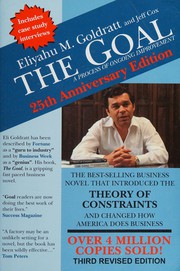
Eliyahu M. Goldratt, Jeff Cox
A business novel set in a struggling factory that teaches the theory of constraints: find the bottleneck, protect it, and stop optimising parts of the system in isolation.
Joseph Grenny, Kerry Patterson
Four authors show how to handle conversations where stakes are high and emotions run strong, using dialogue skills to keep talking and reach action.
Richard P. Rumelt
Richard Rumelt's case that good strategy rests on a diagnosis, a guiding policy and coherent actions, and that much of what organisations call strategy is only goals and slogans.
Larry Bossidy, Ram Charan
Bossidy and Charan argue that execution is the leader's core job, built on linking people, strategy and operations, and that good plans fail without it.
Stephen R. Covey
Covey's principle-centred approach to personal effectiveness, from taking initiative and prioritising to listening first, read here for sales managers and teams.
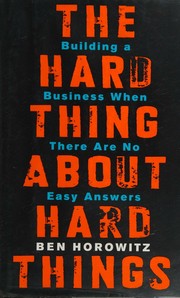
Ben Horowitz
Ben Horowitz's account of running a technology company through crises, covering hiring, firing and decision-making when no playbook fits the problem.
Gino Wickman
Wickman's Entrepreneurial Operating System gives smaller companies a simple structure of vision, people, data, issues, process and traction to run the business.
Reading works best alongside a live problem. These articles and resources cover the same ground in practical, operator-level terms.
Management-fundamentals titles and strategy-execution books are the most transferable. They address cadence, goals, feedback and accountability, which are the daily realities of running a field or key account team.
Goal-setting and execution titles in this section cover how to set objectives and review them regularly. FMCG by Alex's article on the sales team operating cadence shows a practical weekly rhythm.
Many principles do, but communication style and hierarchy norms vary. Entries note where adaptation is likely to be needed.
As an Amazon Associate I earn from qualifying purchases. Purchases are completed on Amazon.com. Affiliate disclosure